
Wedding Rental Guide for a Day That Feels Like You
A beautiful ballroom can make an immediate impression, but the rental details determine whether your wedding day feels calm, personal, and truly yours. This wedding rental guide is designed to help couples in Rock Hill, Charlotte, and surrounding communities look beyond a venue’s photos and choose a space that supports their guest experience, priorities, and budget.
The right venue rental gives you more than a place to gather. It gives you enough time to prepare, room for the people you love, and the freedom to bring your wedding vision to life without being boxed into choices that do not fit your celebration.
Start With the Wedding Day You Want to Host
Before comparing rental prices, picture the flow of your day. Will you hold your ceremony and reception in one location? Do you want an outdoor cocktail hour before guests enter the ballroom? Are you planning a seated dinner, a lively dance floor, cultural traditions, or a late-night celebration?
Your answers will shape the kind of venue you need. A space that works beautifully for 75 guests may feel restrictive at 225. Likewise, a large ballroom can feel warm and intentional for a smaller wedding when the layout, lighting, and decor are thoughtfully designed.
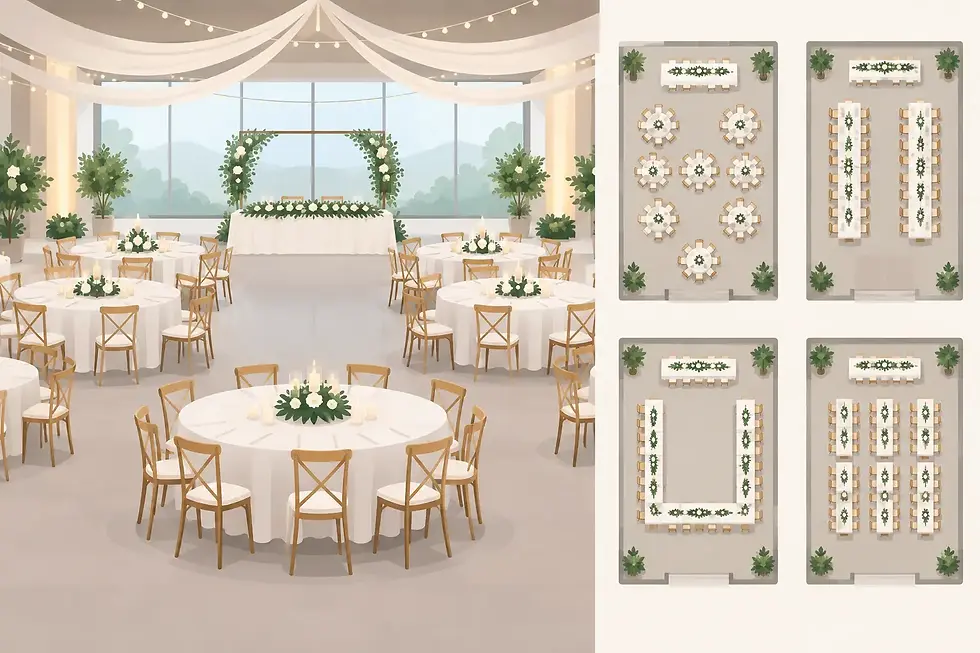
Guest count should be one of your first filters. Ask about the venue’s comfortable capacity for your preferred format, not simply its maximum occupancy. A room may hold 300 guests, for example, but your table arrangement, dance floor, bar placement, buffet, lounge seating, and entertainment all affect how the evening feels. Request a sample floor plan that reflects your estimated attendance and the style of celebration you have in mind.
Wedding Rental Guide: Look Closely at Your Time
Rental duration is one of the most valuable details in any venue agreement. A lower rental rate can become less appealing if the venue allows only a few hours for setup, photography, the event itself, and cleanup. Rushed timelines create unnecessary pressure for couples, families, planners, and vendors.
Ask exactly when your rental begins and ends. Does that window include vendor load-in, decorating, ceremony setup, getting-ready photos, teardown, and the final pickup of personal items? If your florist needs early access or your caterer needs time to prepare, those hours matter just as much as the reception itself.
A full-day rental can change the entire experience. With 15 hours available, you can decorate at a comfortable pace, welcome vendors without watching the clock, move from ceremony to cocktail hour naturally, and enjoy your reception without an early breakdown looming over the final dance. That extra breathing room is especially helpful for couples incorporating detailed decor, multiple food stations, live music, or meaningful cultural elements.
It is also wise to ask about rehearsal availability. Some venues offer a separate rehearsal window based on their event calendar, while others build it into a package. There is no single best arrangement, but knowing the policy early helps you plan your ceremony with confidence.
Understand What Is Included and What Is Flexible
Wedding venue rentals vary widely. Some include tables, chairs, basic linens, lighting, a bridal suite, or ceremony furniture. Others provide a beautiful empty canvas and let couples build their event from the ground up. Neither approach is automatically better. The best choice depends on how much customization you want and how hands-on you want to be.
As you compare venues, ask for a clear list of included amenities and potential add-on fees. Confirm the availability of guest tables and chairs, specialty furniture, lighting, sound equipment, parking, climate control, outdoor areas, and accessibility features. A prominent bar, dedicated cocktail space, and a selfie station may also add value to your guest experience without requiring additional rentals.
Then consider the room itself. A neutral, refined ballroom provides a strong foundation for nearly any color palette, floral style, or level of formality. Look for architectural details that feel elevated on their own, such as warm wood finishes, polished flooring, statement lighting, or an inviting bar area. These features can reduce how much decor you need while still creating a memorable atmosphere.
Ask About Caterers, Alcohol, and Vendor Policies
Vendor freedom is often where a venue rental becomes either empowering or limiting. All-inclusive packages can simplify planning for couples who prefer a ready-made experience, but they may require you to use specific caterers, bar packages, florists, or planners. That structure can be helpful, yet it may not suit couples who already have trusted vendors, want to honor family food traditions, or want more control over where their money goes.
An open vendor policy gives you the ability to select the professionals who understand your style and budget. You can choose a caterer known for Southern favorites, an international menu, elevated plated dining, or a relaxed buffet. You can work with a photographer whose work feels like you, a florist who understands your color story, and a planner who matches your planning approach.
Alcohol policies deserve the same attention. If you are permitted to bring your own alcohol, ask what bar staffing, insurance, service rules, and storage requirements apply. Bringing your own beverages can offer meaningful savings and a more customized bar menu, but it also requires organized purchasing and coordination. For some couples, the added control is worth it. For others, a venue-managed bar may be the simpler option.
Build a Budget Around the Full Picture
The venue rental fee is only one part of the wedding budget. A transparent quote should help you understand what is included, what is optional, and what you will need to secure separately. When comparing two spaces, look at the total cost of hosting your event there rather than choosing based on the initial number alone.
Consider expenses for catering, bar service, rentals, decor, entertainment, transportation, staffing, taxes, gratuities, and possible overtime. If one venue includes catering but limits your menu choices, compare it with a flexible venue where you can select a caterer at a price point that works for you. If another venue has a shorter rental window, factor in the potential cost of extra setup time or a day-of coordinator who can manage a compressed schedule.
A practical way to protect your budget is to identify your three highest priorities before you tour. They might be exceptional food, a spacious dance floor, an outdoor ceremony, room for 250 guests, or the freedom to bring in a favorite local vendor. Spend intentionally on what your guests will notice and what will make you feel most present on your special day.
Tour With Your Guest Experience in Mind
During a venue tour, do more than stand in the center of the room and imagine your first dance. Walk the same path your guests will take from parking to the entrance. Notice whether there is a welcoming place for cocktail hour, how the bar serves a crowd, where older relatives can sit comfortably, and whether outdoor space offers another moment for guests to enjoy.
Think through transitions. A wedding feels polished when guests always know where to go next, whether that is from ceremony to cocktails or from dinner to dancing. Ask how the venue can be arranged for your timeline, and consider how lighting can shift the mood from daytime ceremony to evening celebration.
At Magnolia Room, couples can pair a spacious ballroom with outdoor event space, custom lighting, and the flexibility to choose their own food, beverages, and vendor team. That combination makes it easier to create an event that feels elevated while remaining distinctly personal.
Questions Worth Asking Before You Reserve
A venue team should be able to answer your questions clearly and without hesitation. Before signing, confirm the capacity for your layout, the exact rental hours, access for vendors, setup and cleanup expectations, payment schedule, cancellation terms, insurance requirements, and any restrictions on decor, candles, music, or exits.
Also ask what support is available on the wedding day. Some venues provide an on-site representative for building access and operations, while a wedding planner or coordinator manages the timeline, vendors, and design details. Understanding that division of responsibility will help you decide whether to hire outside planning support.
Your venue should feel like a confident yes, not a compromise you have to explain away. Choose the space that gives you room to celebrate fully, the flexibility to make meaningful choices, and the time to enjoy the day you have spent so carefully planning. When those pieces are in place, the details begin to feel less like a checklist and more like the beginning of an unforgettable celebration.


Comments