
All Inclusive Versus Flexible Venues Compared
A venue tour can feel magical right up until the package sheet arrives. One option may promise that nearly every detail is handled for you. Another may offer a beautiful setting and the freedom to build the celebration around the people, flavors, and traditions you love. When comparing all inclusive versus flexible venues, the best choice is not simply about what is included. It is about how you want your wedding day to feel and how much ownership you want over the decisions behind it.
For some couples, an all-inclusive package brings welcome simplicity. For others, fixed catering, bar, décor, and timeline requirements can make a wedding feel less personal than they imagined. Understanding the trade-offs before you book gives you a stronger starting point for a celebration that feels unmistakably yours.
What an All-Inclusive Wedding Venue Offers
An all-inclusive venue typically bundles several wedding essentials into one package. Depending on the property, that may include catering, bar service, tables and chairs, linens, staffing, cake, décor, coordination, and sometimes preferred entertainment or floral partners.
The central benefit is convenience. Instead of managing separate contracts for food, rentals, bartending, and service staff, you may work with one venue team and one overall payment structure. For couples with limited planning time, a short engagement, or little interest in comparing many vendors, this can be a reassuring path.
All-inclusive venues can also make early budgeting feel more straightforward. You can see a per-person estimate quickly, which helps when you are deciding whether your guest count fits your overall investment. Their team often knows the space, service flow, and event schedule exceptionally well because they produce similar events regularly.
That simplicity comes with boundaries. Most all-inclusive venues require you to choose from their in-house menu and bar packages, use their selected vendors, and follow their established event schedule. These standards may create a polished experience, but they can limit your ability to bring in a family-favorite restaurant, serve a specialty cultural menu, or work with a planner or florist you already trust.
Why Flexible Venues Appeal to Many Couples
Flexible venues provide the setting and foundational amenities while allowing couples to select their own vendors and shape the details around their vision. This approach is especially appealing when food, hospitality, culture, design, or timing is a meaningful part of the celebration.
At Magnolia Room, couples have a 15-hour rental period, an open vendor policy, and the freedom to bring their own caterer and alcohol. That extra time and choice can change the planning experience in practical ways. You are not trying to transform the room, host a full celebration, and pack everything away inside a narrow rental window. You also have the opportunity to choose professionals whose work, service style, and pricing align with your priorities.
Flexibility does require more coordination. You or your planner will need to confirm vendor arrival times, insurance requirements, catering equipment, bar staffing, rentals, and cleanup responsibilities. For couples who enjoy making considered choices, that work is often part of the reward. For those who prefer every detail handled by one team, it may feel like more than they want to manage.
All Inclusive Versus Flexible Venues: The Decisions That Matter
The package description alone will not tell you which venue is right for you. Look closely at the decisions that affect your guest experience, budget, and ability to bring your wedding vision to life.
Catering and alcohol policies
Food is often one of the most personal parts of a wedding. An all-inclusive venue may offer a proven catering program with tasting opportunities and experienced service staff. That can be an excellent fit if you love the menu and want the ease of a single provider.
A flexible venue gives you room to select a caterer based on cuisine, dietary needs, presentation, and price point. Perhaps you want an elevated Southern supper, an elegant plated meal, a lively taco bar, or dishes that honor your family heritage. You can choose the partner that makes sense for your day rather than adjusting your vision to an existing package.
Alcohol policies deserve equal attention. Some venues require couples to purchase alcohol through the property at set package rates. Others allow you to purchase your own beverages while hiring properly licensed bartenders. The latter can offer meaningful budget control, particularly if you want a curated cocktail menu, a champagne toast, or a bar that reflects your guest list without paying for choices you do not need.
Vendor freedom and personal style
Your photographer, florist, baker, DJ, planner, and rental company all contribute to the atmosphere guests remember. Preferred vendor lists can be helpful, especially when you are beginning your search. Still, a required list is different from a trusted recommendation.
With a flexible venue, you can hire the team whose style and approach feel right to you. You may want a photographer who captures editorial portraits, a florist known for garden-inspired arrangements, or a band that can keep multiple generations on the dance floor. You may also have a vendor relationship already, perhaps through a friend, family member, or prior event.
The space itself should support that creative freedom. A refined ballroom with a timeless foundation can work beautifully with classic black tie, colorful spring florals, modern minimalism, or a celebration built around a cultural tradition. Outdoor event space adds another layer of possibility for ceremonies, cocktail hours, portraits, or a quiet moment away from the dance floor.
Rental time and the pace of your day
A short rental can make even a well-planned wedding feel hurried. Ask exactly when vendors may arrive, when decorating can begin, when guests must depart, and how long you have for cleanup. A venue may quote a five- or six-hour event period while allowing only limited setup and breakdown time around it.
An all-day rental creates breathing room. Your florist can install without racing the clock. Your caterer can prepare thoughtfully. You can take portraits, welcome guests, enjoy dinner, and celebrate without watching the minute hand. For large weddings, multi-part events, or designs with substantial décor, this time is more than a convenience. It protects the experience you have spent months planning.
Budget clarity versus budget control
All-inclusive packages often provide budget clarity early because many costs are consolidated. Be sure to review what is truly included, however. Service charges, taxes, upgraded linens, premium bar selections, added hours, labor, and mandatory gratuities can affect the final figure.
Flexible venues can require more research, but they allow you to direct your spending toward what matters most. A couple who cares deeply about food may invest more in catering and choose simpler centerpieces. Another may prioritize dramatic lighting, a live band, or an unforgettable dessert display. The goal is not necessarily to spend less. It is to spend with intention.
Start with a realistic guest count, then request estimates from the vendors you would genuinely consider. Compare the complete experience, not just the venue rental fee or the per-person package price. Include taxes, staffing, rentals, delivery, insurance, and the value of your own planning time.
Questions to Ask Before You Sign
A thoughtful venue conversation should leave few surprises. Ask whether outside caterers and bartenders are permitted, whether alcohol may be brought in, and whether there are any required vendor lists. Confirm the full rental period, including access for setup and breakdown, as well as capacity for your anticipated guest count.
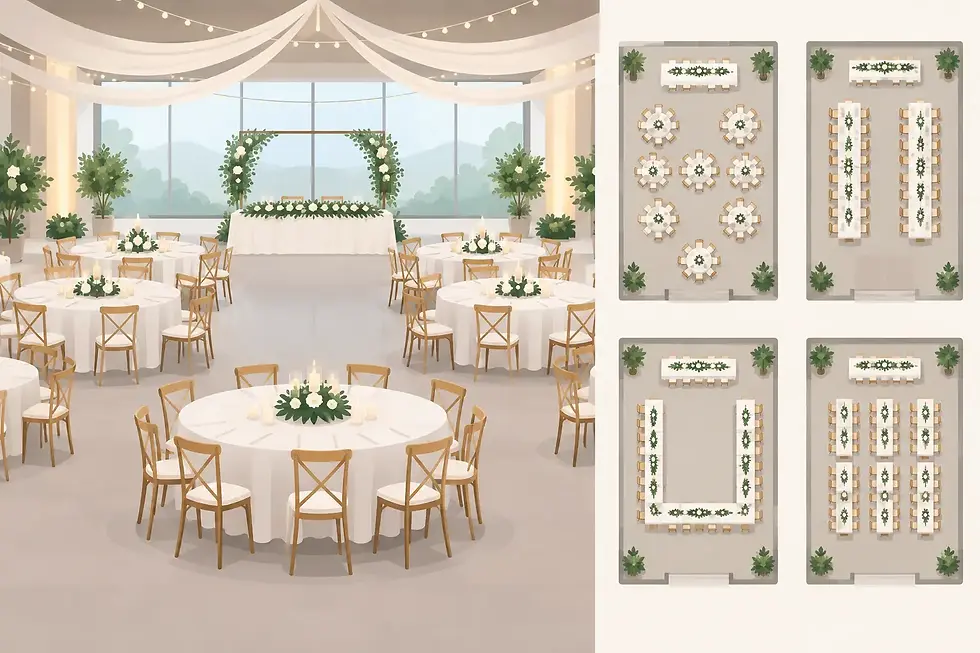
You should also ask what comes with the space. Tables, chairs, a dedicated bar, lighting, outdoor areas, dressing spaces, parking, and photo-friendly features may reduce the number of additional rentals you need. If you are planning for 200 guests or more, talk through the room layout, dance floor size, buffet or plated-dinner flow, and how guests will move between a ceremony, cocktail hour, and reception.
Finally, consider who will lead the logistics. A flexible venue can work wonderfully with a full-service planner, a month-of coordinator, or an organized couple supported by experienced vendors. The right level of help is not a luxury detail. It is how you protect your ability to be present for your special day.
Your wedding deserves more than a package that looks good on paper. Choose the venue model that gives you confidence, honors your priorities, and leaves room for the celebration you can already picture when you close your eyes.


Comments