
Are Outside Vendors Allowed at Wedding Venues?
A venue can look beautiful in photos and still put limits on the parts of your wedding that matter most. When couples ask, “are outside vendors allowed,” they are often really asking a bigger question: Can we create a celebration that feels like us?
The answer depends on the venue. Some wedding spaces require couples to use an in-house caterer, bar package, preferred florist, or exclusive planning team. Others welcome the professionals you already know and trust. An open vendor policy gives you more room to shape your menu, guest experience, design, and spending around your priorities rather than a preset package.
Are Outside Vendors Allowed at Every Wedding Venue?
No. Vendor policies vary widely, and they deserve close attention before you sign a contract. All-inclusive venues can be a wonderful fit for couples who prefer a single point of contact and fewer vendor decisions. Their bundled services may simplify planning, particularly for couples with a short engagement or limited time to coordinate details.
That convenience can also come with less flexibility. A required catering package may not reflect your family’s favorite cuisine, cultural traditions, dietary needs, or desired service style. A mandated bar program may limit your selections and affect how you allocate your overall budget. Even décor and entertainment rules can influence the atmosphere you envisioned.
An open-vendor venue takes a different approach. It provides the setting, essential amenities, and a clear operational framework while allowing you to choose the partners who bring your celebration to life. That might mean hiring the barbecue team your family loves, selecting a florist with an editorial garden style, or booking a DJ who already knows how to fill your dance floor.
What an Open Vendor Policy Can Give You
Vendor freedom is not simply about having more names to choose from. It gives your wedding greater personal character. The people, food, music, and details surrounding your ceremony and reception can reflect your story rather than a standard event formula.
A menu with meaning
Food is one of the most memorable parts of a wedding reception. With the ability to bring in your own caterer, you can choose a plated dinner, family-style meal, elevated stations, late-night snacks, or a menu that celebrates your heritage. You can also select a caterer experienced with vegan, gluten-free, allergy-conscious, or other specialized menus.
Before booking, ask each prospective caterer what they include beyond the meal itself. Staffing, rentals, cake cutting, setup, cleanup, gratuity, and service charges can change the final cost. Comparing complete proposals, rather than a per-person price alone, helps you make a confident decision.
More ownership of your budget
A flexible vendor policy lets you decide where your investment matters most. Perhaps exceptional food is your priority, while your floral plan is intentionally simple. Perhaps you want a statement band and a relaxed buffet. Neither approach is more correct. The advantage is that your budget can follow your vision.
This freedom does require thoughtful planning. Bundled packages are predictable because many costs are already combined. When you hire vendors separately, you will want a clear budget that accounts for venue rental, catering, beverages, rentals, photography, entertainment, florals, stationery, transportation, and any applicable taxes or service fees. A planner or experienced coordinator can be especially helpful in keeping those moving pieces organized.
Design that does not feel borrowed
Your venue should support your color palette and aesthetic, not compete with it. A neutral, elegant ballroom can become soft and romantic with candlelight and layered linens, dramatic with high-contrast florals, or modern with sculptural installations and custom lighting. Outdoor space can add another dimension for a ceremony, cocktail hour, or quiet moment away from the reception.
When you can choose your own florist, rental company, and décor team, you are not limited to a narrow inventory or predetermined look. Ask the venue about practical design guidelines early, including open-flame rules, hanging installations, delivery timing, candle requirements, and what must be removed at the end of the evening.
Trusted people on your team
Many couples begin planning with a photographer, planner, caterer, or DJ already in mind. You may have attended a friend’s wedding and loved their band, or your family may have a longtime relationship with a particular caterer. An open policy allows you to bring those trusted professionals into your day.
It also makes room for vendors who understand the traditions you want to honor. From a meaningful tea ceremony to a lively cultural dance set, the right team can make guests feel welcomed and recognized. The goal is not endless choice for its own sake. It is the ability to choose experienced people who understand the celebration you want to host.
Questions to Ask Before You Book
“Outside vendors allowed” can mean different things from one property to another. Get the details in writing, and ask direct questions before assuming a policy is completely unrestricted.
Start with food and beverages. Can you bring any licensed caterer, or is there an approved list? Are you welcome to provide your own alcohol? If so, who is responsible for bartending, ice, mixers, permits, security, and beverage service? Alcohol service should always follow applicable laws and responsible-service standards, so clarify these responsibilities well before your event.
Then ask about vendor logistics. Find out when caterers, florists, musicians, rental teams, and other professionals may arrive. Confirm loading access, kitchen or prep space, power availability, parking, insurance requirements, and cleanup expectations. A generous rental window can be especially valuable because it gives your vendors time to set up with care and break down without rushing your final moments as newlyweds.
Finally, ask who will be on-site during your wedding. A venue manager and a wedding planner serve different roles. The venue team protects the property and supports venue operations; your planner or coordinator manages the timeline, vendor communication, and event flow. Knowing the distinction helps you build a team with the right coverage.
Flexibility Still Needs a Clear Plan
An open vendor policy is empowering, but it works best with structure. Once you have chosen your venue, create a shared vendor document with load-in times, contact numbers, floor plans, final guest count, payment deadlines, and teardown responsibilities. Send the final version to every vendor a few weeks before the wedding.
Your catering team, planner, and venue should also agree on the reception timeline. This is particularly important if you are planning a room flip, live entertainment, specialty lighting, multiple food stations, or a late-night exit. Good coordination protects the guest experience while allowing each vendor to do their best work.
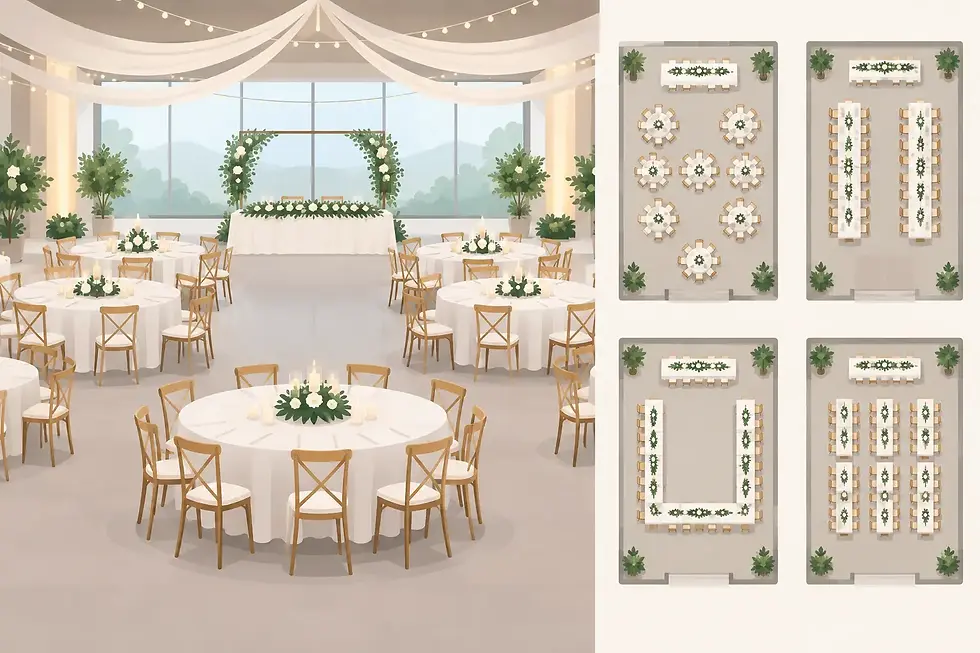
At Magnolia Room, couples can enjoy an open vendor policy, bring their preferred caterer and alcohol, and use a 15-hour rental window to create an unhurried, highly personal celebration. The spacious ballroom accommodates up to 300 guests, with outdoor event space and refined architectural details that offer a beautiful foundation for nearly any wedding style.
Is an Open-Vendor Venue Right for You?
An open-vendor venue may be an excellent fit if you value creative control, have specific food or beverage ideas, want to work with familiar professionals, or prefer to build a budget around your own priorities. It can also be ideal for couples planning a larger celebration that needs time for meaningful details, thoughtful setup, and a full evening with loved ones.
A more inclusive package may be the better choice if you want fewer decisions and prefer most services to be handled under one agreement. There is no universal right answer. The best venue model is the one that gives you the right balance of support, freedom, and confidence.
As you tour venues, bring a short list of your nonnegotiables: the guest experience you want, the food you hope to serve, the professionals you want beside you, and the amount of time you need to enjoy your special day. Those answers will point you toward a space where your wedding vision has room to become real.


Comments