
Wedding Venue Budget: What Your Rental Should Include
A beautiful ballroom can make an immediate impression, but your wedding venue budget should be built around more than the room itself. The real question is what the rental allows you to do: how long you have access, which vendors you can choose, what is already included, and whether the space can comfortably support the celebration you envision.
For couples planning in Rock Hill, Charlotte, and surrounding communities, those details can have a meaningful effect on both total spending and the experience of the day. A lower initial venue quote may look appealing, yet required catering packages, limited rental hours, or vendor restrictions can quickly change the final number. A thoughtfully planned budget helps you compare venues on the full value they offer, not just the starting price.
Start Your Wedding Venue Budget With Your Priorities
Before comparing venue pricing, decide what matters most for your special day. Your guest count, preferred date, food and beverage style, design plans, and ceremony needs will shape nearly every decision that follows. A couple hosting 75 guests for an evening reception has different needs than a couple welcoming 250 guests for a ceremony, cocktail hour, dinner, and dancing.
Begin with a comfortable overall wedding number, then reserve a realistic share for the venue and the costs directly connected to it. This often includes the rental fee, catering, bar service, rentals, décor, staffing, insurance, and any required service charges or taxes. There is no single percentage that works for every wedding. If food is the centerpiece of your celebration, your catering allocation may be higher. If you are bringing in elaborate florals, specialty lighting, or entertainment, those priorities may guide more of the budget.
What matters is that your venue choice leaves room for the elements you value most. A ballroom that accommodates your full guest list, supports your preferred layout, and gives you time to enjoy the day can be a better investment than a less expensive option that requires compromises later.
Look Beyond the Venue Rental Fee
When a venue shares pricing, ask what is included in the rental and what must be added separately. This is not about finding one model that is universally better. All-inclusive venues can simplify planning for couples who want bundled services and fewer vendor decisions. Flexible venues can offer more control for couples who have a specific menu, caterer, cultural tradition, or bar experience in mind.
The key is comparing like with like. One quote may include tables, chairs, setup, cleaning, and a limited time block. Another may provide a longer rental period and an open vendor policy, while allowing you to source those items according to your needs. Both can be excellent choices, but they should not be measured by rental price alone.
As you review each proposal, confirm these details in writing:
The total rental duration, including setup, ceremony time, reception, and breakdown
Guest capacity for the event format you are planning
Furniture, lighting, getting-ready areas, outdoor access, and other included amenities
Catering, alcohol, and vendor requirements or restrictions
Taxes, service fees, security, cleaning, insurance, overtime, and other potential charges
A clear comparison prevents a common planning surprise: discovering that a venue with a lower listed rate needs several required additions before it can host the wedding you actually want.
Time Is a Meaningful Part of the Value
A rushed schedule can create costs that are easy to miss during early planning. When setup time is limited, you may need to pay vendors for an additional crew, rent décor that is faster to install, or begin hair and makeup much earlier than planned. A tight breakdown window can add stress at the exact moment you would rather be saying goodbye to your guests.
Consider the entire event day, not just the reception hours. Time for deliveries, floral installation, place settings, photography, a ceremony rehearsal, cocktail hour, and cleanup all matter. A 15-hour rental gives couples and their vendor team the breathing room to create a polished celebration without treating every transition as a race.
That flexibility is especially valuable when you are layering several experiences into one location. You may want an outdoor ceremony, cocktails at the bar, dinner in the ballroom, and dancing under custom lighting. A longer rental period supports that flow while giving you more freedom to enjoy the moments in between.
How Vendor Freedom Shapes Your Budget
Vendor policies are one of the biggest variables in a wedding venue budget. Some venues require couples to select from an exclusive catering list or purchase food and beverages in-house. Others allow couples to bring in the professionals they trust. Neither approach is automatically right or wrong, but each affects how much control you have over cost, style, and guest experience.
An open vendor policy can be particularly helpful if you have a favorite family-owned caterer, want a menu that reflects your heritage, or need to accommodate dietary preferences in a thoughtful way. It also lets you request proposals from multiple caterers and choose the service level that fits your plans, from an elevated plated dinner to a generous buffet or interactive food stations.
Alcohol flexibility deserves the same attention. A required bar package may be convenient, but it may not match your guest count or serving preferences. When couples can bring their own alcohol, they can tailor the selection and spending to their celebration, provided they follow the venue's service and insurance requirements. Be sure to budget for licensed bartenders, mixers, ice, glassware, and any applicable permits or coverage, not simply the bottles themselves.
At Magnolia Room, couples have the freedom to select their own caterer and bring their own alcohol, creating an opportunity to shape the menu and bar around their priorities. This approach is not about doing everything yourself. It is about choosing where your money goes and building a vendor team that feels right for your day.
Match Capacity to the Celebration You Want
Guest count affects far more than meal costs. It influences your floor plan, dance floor size, table count, bar lines, parking considerations, and the overall feeling of the room. A venue should feel welcoming at your expected attendance, with space for the key moments that make a reception memorable.
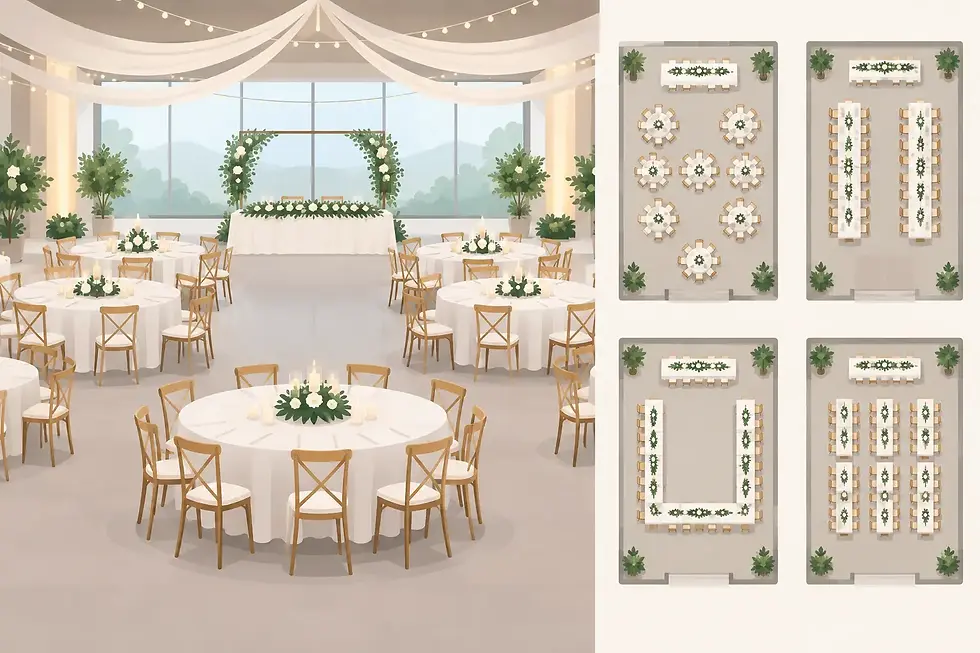
Ask to see layouts for a guest count similar to yours. A room that technically holds 300 guests may have a different comfortable capacity depending on whether you want a large dance floor, a sweetheart table, a band, lounge seating, buffet stations, or a photo moment. Likewise, an intimate wedding should not feel lost in a large ballroom. Lighting, table arrangements, draping, and thoughtful use of adjacent outdoor space can make a larger venue feel warm and intentional.
If your guest list is still moving, choose a venue with enough capacity to accommodate reasonable growth. It is often easier to refine a floor plan than to reduce an already-invited guest list because the space no longer works.
Leave Room for the Details That Make It Yours
The most memorable weddings feel personal, not necessarily expensive. A neutral, elegant setting can give you more room to bring your wedding vision to life through your own colors, florals, linens, music, and menu. You may choose a dramatic entrance moment, a classic candlelit dinner, a lively dance floor, or a custom selfie station that keeps guests engaged all evening.
Set aside a contingency of approximately 5 to 10 percent for decisions that emerge as plans take shape. Final guest counts can shift. You may decide to add late-night snacks, upgrade rentals, arrange transportation, or extend photography coverage. A contingency is not a sign that your plan is incomplete. It is a practical way to make decisions with confidence when an opportunity feels worthwhile.
It also helps to separate must-haves from nice-to-haves early. Your must-haves might be a certain guest count, a ceremony and reception in one place, excellent food, or a full evening of dancing. Nice-to-haves might include specialty lounge furniture or an elaborate exit. Knowing the difference keeps the budget connected to what you will truly remember.
Ask for a Complete Picture Before You Book
Once you have narrowed your options, request detailed pricing information and compare the expected total, not just the rental line item. Confirm payment schedules, deposit terms, cancellation provisions, date-change policies, and the deadline for final guest counts. If something is unclear, ask. A venue team should make the planning process feel manageable, not mysterious.
The best wedding venue budget is not the one with the smallest number on paper. It is the one that supports an unforgettable celebration with enough time, space, and freedom for your priorities. Choose a setting that lets your guests feel cared for, your vendors do their best work, and you spend your wedding day celebrating rather than rushing from one restriction to the next.


Comments