
Venue Contract Checklist for Your Wedding
The ballroom is beautiful, the date is available, and you can already picture your first dance. Before you sign, a thoughtful venue contract checklist helps make sure the excitement of finding your wedding setting is supported by clear expectations. Your venue agreement should protect your plans, your budget, and the relaxed, celebratory feeling you want on your special day.
A contract is not meant to take the romance out of wedding planning. It is the practical document that explains what happens behind the scenes: when you can arrive, what is included, who may provide food and bar service, and what costs could appear after the celebration ends. Read it carefully before paying a deposit, and ask for clarification whenever a detail feels vague.
Start Your Venue Contract Checklist With the Basics
First, confirm that the contract accurately identifies the event you are booking. Check the date, the full venue name and address, the event type, and the spaces included in your rental. If you expect to use a ballroom, outdoor ceremony area, cocktail space, dressing suite, or patio, make sure each promised space is named in writing.
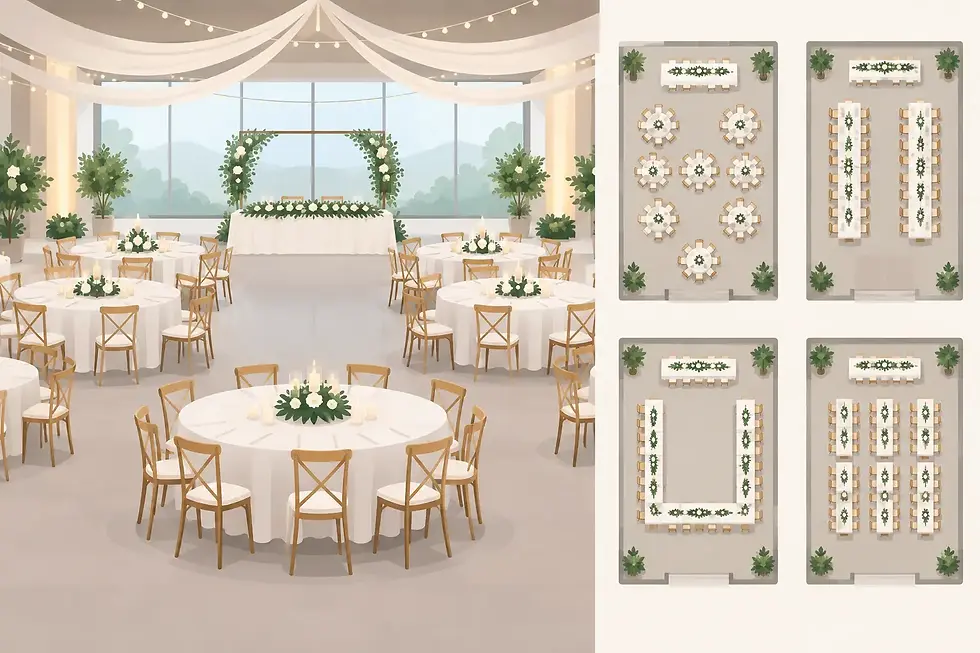
Guest count deserves the same attention. The agreement may state a maximum capacity, but ask how that number applies to your particular layout. A room that accommodates 300 guests for a reception may hold fewer people when you add a large dance floor, lounge seating, a band, buffet tables, or elaborate décor. Discuss your anticipated setup early so your layout supports both comfort and the guest experience you envision.
Also review the event timeline. Your ceremony start time is only one part of the day. Confirm when vendors may load in, when you may begin decorating, how long guests may remain, and when all personal items and rentals must be removed. A venue with an all-day rental can offer valuable breathing room for setup, portraits, vendor coordination, and a proper send-off. By contrast, a lower rental rate with a short access window can create scheduling pressure and added labor costs.
Know Exactly What Your Rental Fee Includes
The rental fee is rarely the entire financial picture. Your contract should clearly distinguish between the base rental price, the deposit or retainer, damage deposit, cleaning fees, service charges, taxes, and any required insurance. Ask which payments are refundable, when each payment is due, and what happens if a payment is late.
Then look beyond the room itself. Confirm which furnishings and features come with the venue. This may include tables, chairs, linens, a bar, lighting, sound equipment, staging, getting-ready areas, parking, outdoor access, and décor pieces. Details matter here. If tables and chairs are included, ask about the styles, quantities, and dimensions. If a bar is provided, determine whether it includes glassware, ice, bartenders, refrigeration, or only the physical bar structure.
Some amenities are offered as conveniences but may involve separate charges. For example, specialty lighting, security, event attendants, cleanup, or use of a selfie station may be included, optional, or required depending on the event. There is no universal right answer. What matters is knowing the total expected investment before you build the rest of your wedding budget around it.
Review setup, cleanup, and damage terms
Most venues expect clients to leave the property in a reasonably orderly condition, even when basic cleanup is included. Read the cleanup language closely. Who removes trash? Who breaks down centerpieces and décor? Who collects rental items? Who is responsible if a guest damages furniture or a vendor leaves equipment behind?
Ask how damages are documented and how quickly a security deposit is returned. A fair agreement should explain the process rather than leaving the decision entirely open-ended. It is also wise to designate one trusted person - a planner, coordinator, family member, or wedding party member - to handle end-of-night questions so you can enjoy your celebration.
Confirm Vendor Freedom and Outside Services
Vendor policies shape both your wedding style and your budget. Some venues require couples to choose from an exclusive list of caterers, florists, planners, or bartenders. Others welcome outside professionals, giving you the freedom to work with vendors you already know and trust.
Your contract should state whether vendors must be approved, insured, licensed, or present during specified arrival and departure times. These requirements are common and can help protect everyone involved. Still, be clear on the process before signing, especially if you are planning cultural cuisine, bringing in a specialty dessert team, or hiring a band with extensive sound and staging needs.
For couples who value creative control, an open vendor policy can be especially meaningful. It allows you to choose a caterer that reflects your family traditions, a florist who understands your color palette, and a planner whose approach fits your day. At Magnolia Room, this flexibility is designed to help couples bring their wedding vision to life without being limited to a bundled package.
Catering and alcohol policies need plain answers
Food and beverage terms are among the most consequential sections of a venue contract. Confirm whether you may bring your own caterer, whether a licensed caterer is required, and whether the venue provides kitchen access, prep space, warming equipment, or refrigeration. If you are considering food trucks or stations, ask where they may park and whether power is available.
Alcohol policies should be equally specific. Can you provide your own beer, wine, and spirits? Must alcohol be served by licensed bartenders? Does the venue require event liability insurance or security personnel? Are there restrictions on champagne toasts, last call, glass bottles outdoors, or guests bringing alcohol onto the property?
These questions are not minor details. A venue that permits outside catering and alcohol may give you more budget ownership, but it also means you will coordinate more moving pieces. Many couples find that trade-off worthwhile when they want a personalized menu and bar experience. Others may prefer the simplicity of an all-inclusive model. Choose the arrangement that best matches how hands-on you want to be.
Look for Rules That Affect Your Wedding Design
Beautiful ideas need a venue policy that can support them. Review the contract for décor restrictions involving candles, open flames, sparklers, confetti, flower petals, hanging installations, adhesive, draping, and exits. If you plan to transform the room with ceiling treatments, a custom dance floor, or suspended florals, confirm not only that these elements are allowed but also who may install them.
Pay close attention to sound and outdoor-use rules. Ask about music curfews, volume limits, rain plans, and the availability of outdoor space for ceremonies or cocktail hour. If an outdoor plan is central to your celebration, understand exactly what happens if weather changes. Is there a designated indoor backup location? Can the room be reset quickly? Will the same furniture be available?
Photography and lighting are also worth discussing. Find out when your photographer may arrive, whether there are restrictions on candles or specialty effects, and whether existing lighting can be adjusted for dinner, dancing, and portraits. A neutral, adaptable ballroom can support nearly any palette or aesthetic, but the contract should confirm the practical boundaries of your design plans.
Understand Changes, Cancellations, and the Unexpected
Even the most carefully planned wedding may need adjustments. Review the contract's policies for changing your date, increasing or reducing guest count, adding rental hours, or moving the event due to severe weather or another emergency. Ask what happens if the venue becomes unavailable through no fault of your own and what remedies are provided.
Cancellation terms can feel uncomfortable to read, yet they deserve your full attention. Know whether payments are transferable to a new date, whether a replacement booking affects your refund, and what deadlines apply. Consider wedding insurance as an added layer of protection, particularly if you are making substantial investments in vendors, attire, or travel.
Before you sign, save a final copy of the agreement and all written add-ons, floor plans, invoices, and approved policy exceptions. If a representative has promised something that matters to your event, request that it be included in the contract or an attached amendment. Friendly conversations are valuable, but written details prevent misunderstandings later.
Your venue should give you more than a lovely place to gather. It should give you the clarity to make decisions confidently and the freedom to create an unforgettable celebration that feels unmistakably like yours. Once your questions have clear answers, you can reserve your date with excitement, request pricing, and begin shaping the details your guests will remember.


Comments