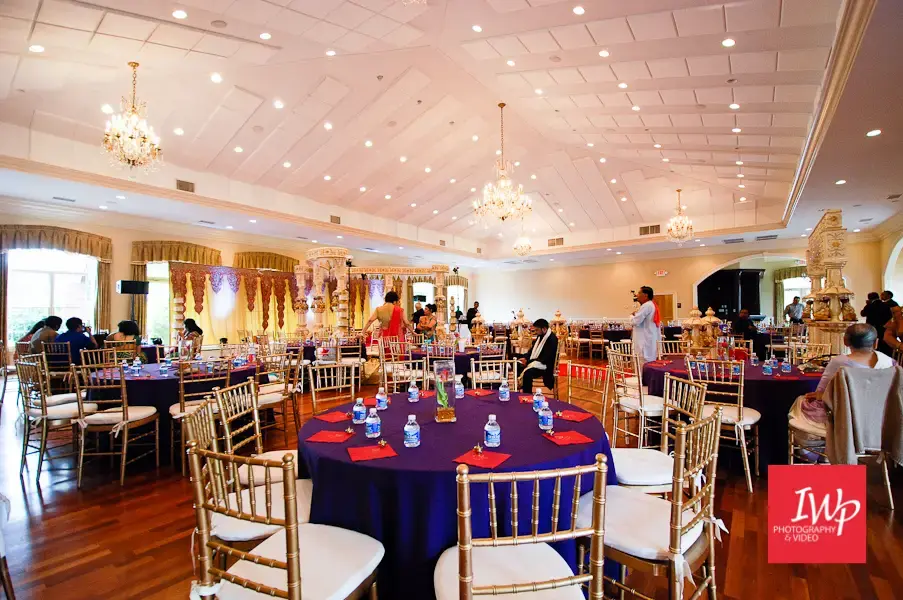
Choosing a Cultural Wedding Venue for You
A wedding can include a tea ceremony before the vows, a joyful second-line entrance after dinner, a family-style feast, a baraat, a traditional dance floor reveal, or all of the above. The right cultural wedding venue does not ask you to shrink those moments to fit a preset package. It gives your family, your vendors, and your traditions the space and time to make your special day feel like your own.
For couples planning in Rock Hill, Charlotte, and surrounding South Carolina and North Carolina communities, choosing a venue is about more than finding a beautiful room. It is about finding a setting that can support the way your people gather, celebrate, eat, pray, dance, and connect.
What Makes a Cultural Wedding Venue a Good Fit?
A cultural wedding venue is not defined by one look, menu, or ceremony style. It is a venue with the flexibility to welcome the meaningful details of your celebration without forcing every couple into the same timeline or vendor list.
Start with the practical questions. Can the room accommodate your guest count comfortably? Is there enough time for ceremony traditions, wardrobe changes, formal entrances, and a full reception? Are you free to choose caterers who understand the dishes, service style, or dietary practices that matter to your family? Can your décor team transform the space without working against a highly themed interior?
The answers matter because cultural celebrations often have a fuller rhythm than a standard four-hour reception. You may be planning several events in one day, welcoming guests from out of town, or bringing together family members with different expectations. A venue should help you honor those priorities, not turn them into logistical compromises.
Make Room for the Full Guest Experience
Guest count is one of the first planning decisions, but capacity is about more than fitting chairs into a room. Your guests need room to move, greet relatives, visit a food station, enjoy the bar, and join the dance floor without the evening feeling crowded.
For a larger celebration, consider how the ballroom will function once tables, staging, a sweetheart table, entertainment, and cultural décor are in place. A venue that holds up to 300 guests offers valuable breathing room for weddings with extended family, community members, and friends traveling in to celebrate.
It also helps to think beyond the reception. Outdoor event space can create a natural setting for a ceremony, cocktail hour, portraits, or a quiet pause between festivities. A thoughtful indoor-outdoor flow gives guests variety while keeping the main celebration centered in an elegant, weather-ready ballroom.
Choose Time, Not Just a Time Slot
A rushed rental can make even a beautifully planned wedding feel stressful. When a day includes early setup, floral installation, ceremony preparation, family photos, formal traditions, dinner service, dancing, and cleanup, a short rental window leaves little room for the unexpected.
Look for an all-day rental that lets your vendors work at a comfortable pace and lets you be present for the moments that matter. A 15-hour rental, for example, gives your team time to prepare the space, welcome guests without rushing, and break down after the celebration rather than packing up in the middle of your final dance.
This is especially valuable when your wedding includes multiple looks or ceremonies. You may need time for a dress change, a private family ritual, a procession, or a room reset between a daytime ceremony and an evening reception. More time does not mean you need to fill every hour. It means you have the freedom to create a timeline that feels calm, generous, and true to your plans.
Catering Freedom Protects the Meaning of the Meal
Food carries memory. It may be your grandmother's favorite recipe, a menu shaped by faith-based dietary needs, or the flavors your family expects at a milestone celebration. For many couples, choosing the right caterer is one of the most personal decisions they will make.
An open vendor policy allows you to select a catering team that knows your cuisine and can deliver it with care. That could mean a formal plated dinner, abundant family-style service, a buffet of regional specialties, late-night comfort food, or a menu that blends both families' backgrounds. You should not have to choose between a beautiful venue and a meal that feels familiar.
The same freedom applies to beverage service. If the venue permits you to bring your own alcohol and work with the professionals you trust, you have more control over the experience and the budget. A prominent bar can become a natural gathering point during cocktail hour, while your selections reflect the hospitality you want to offer. As with every alcohol plan, confirm service requirements, staffing, and local regulations early with your venue and bar team.
Let the Design Reflect Your Traditions
A versatile ballroom is an advantage when your wedding design has a distinct point of view. A neutral, elegant foundation allows bold florals, intricate fabrics, ceremonial seating, custom signage, family photos, statement lighting, and meaningful colors to take center stage.
Before booking, ask how the room can be arranged and what design elements are permitted. Find out where a ceremony focal point, mandap, chuppah, stage, band, DJ, or dance floor could be placed. Ask about lighting control, load-in timing, and the space available for a sweetheart table or family head table. These details shape the guest experience long before anyone walks through the door.
Custom lighting can shift the atmosphere from a soft ceremony to a high-energy reception. A mahogany-and-marble bar adds classic warmth to cocktail hour. A selfie station gives guests an easy, playful way to capture the evening. The best features support your celebration without competing with it.
At Magnolia Room, couples can use a spacious, updated ballroom and outdoor event space as the foundation for a wedding that is timeless, contemporary, and unmistakably personal. The goal is not to offer one version of a beautiful wedding. It is to give you room to bring your wedding vision to life.
Build a Vendor Team That Knows Your Celebration
Your vendor team often makes the difference between an event that looks beautiful and one that feels effortless for your guests. A planner who understands your timeline, a caterer experienced in your menu, a florist who can execute your vision, and entertainment that knows how to read the room all contribute to a more meaningful day.
A venue with an open vendor policy lets you keep working with trusted professionals, including family-recommended vendors or specialists from the Charlotte region and beyond. That flexibility can be helpful when a particular tradition calls for expertise that is not part of a standard venue package.
It also gives you more ownership over your investment. All-inclusive packages can be convenient for couples who want one point of contact and a fixed menu of options. But if personal choice, cultural authenticity, and budget control are central to your plans, a flexible venue may be the better fit. Neither approach is automatically right. The important question is whether the venue's model supports the celebration you want to host.
Questions to Ask Before You Book
During a venue tour, picture the day from your guests' point of view. Where will elders sit comfortably during the ceremony? Where will your wedding party gather before an entrance? How will the room transition from dinner to dancing? Is there enough time for the traditions that cannot be rushed?
Ask directly about outside catering, alcohol policies, vendor access, setup and cleanup hours, décor guidelines, parking, and rain plans for outdoor moments. Share your expected guest count and explain any ceremony or reception elements that need special consideration. A welcoming venue team should answer clearly and help you think through the flow.
Your wedding deserves a setting that feels refined without feeling restrictive. When the room, timeline, vendor policy, and guest experience all work together, you can spend less energy adapting your traditions to the venue and more time celebrating them with the people who matter most.


Comments